Is social media replacing traditional travel research?
10/11/2026
Not too long ago, holiday planning typically began with a search engine. Users would search for a destination, compare options, and read reviews to influence their decision.
Now, travellers are influenced much earlier, and inspiration occurs across many more touchpoints. The gap between social and search is narrowing.
GWI data suggests 36% of travellers use social media to research and plan holidays, while 38% still use search engines.
From TikTok to Instagram Reels, YouTube or an influencer recommendation, social media content often introduces travellers to destinations, hotels and experiences before researching a trip has even begun.
Although this is a new way of searching, it does not replace traditional search. It simply means that the search journey is becoming less linear. Social media may influence ideas, but travel and booking websites are still where brands can convert demand.
In this article, Fusion will examine where travellers look for inspiration and how social media plays a part in the journey to purchase, what this means for travel brands and how they can adapt their strategy to stay visible for consumers across the whole journey.
The shift from search-first to inspiration-first travel planning
One of the biggest challenges in travel research is that consumers often aren’t actively looking for a holiday when they discover destinations.
Travel research has traditionally relied on intent, with the path to purchase typically being:
A consumer decides they want to travel
A consumer conducts a destination-led search
A consumer establishes where they could stay and what they could do in the area, within their budget
A consumer compares options
A consumer converts
Social media has brought destination discovery to an earlier stage in a consumer’s journey.
Travellers may come across a video or image showing destinations when using platforms; they may not be planning a holiday at that moment in time but viewing that content may give them inspiration. It could also influence the decisions they make when booking their next trip.
This powers the shift from search-first discovery to inspirational discovery.
Although this alters the way consumers discover destinations, it does not remove the need for search. Once the traveller is inspired to book, there are still multiple stages leading up to purchase. Consumers may use search to gather information, compare different options, then ultimately decide on and purchase the trip.
The difference is that the customer journey starts long before the first search. Of those that use social media in the path to purchase, 77% use it for inspiration and nearly one in five travellers said advertising influenced their decision to book a trip. This means visibility across platforms is essential for consumers looking to book, because it offers the opportunity to influence them early on in their purchase journey.
Paid social can provide travel brands with awareness-led activity through demand gen strategies, by creating demand before they can capture it and reaching consumers before they are actively searching.
Check out Fusion's demand gen service targeting audiences at the start of their purchase journeys
Why are travellers turning to social media for travel inspiration?
Social media brings together three key concepts to influence a consumer in the travel discovery phase: authenticity, visuals and recommendations. Together, these components allow consumers to see, research and decide on where they may want to travel.
Authenticity
Travellers often turn to social media to see the experiences of real people, rather than understanding their experience through polished brand content. Travel consumers are often engaging with genuine content that shows real experiences, both positive and negative to help them decide on a destination.
User-generated content (UGC) is valued as credible, as it often gives travellers an idea of what a destination, hotel or experience will be like without biased opinions. 92% of customers trust UGC more than they trust traditional advertising due to the ability to consume unfiltered content.
Our work with Journeyscape involved partnering with creators to leverage influencer-led UGC content across social media, producing authentic, engaging content that resonated with target audiences, increased visibility and built trust.
See our influencer paid social strategy with Journeyscape
Visuals
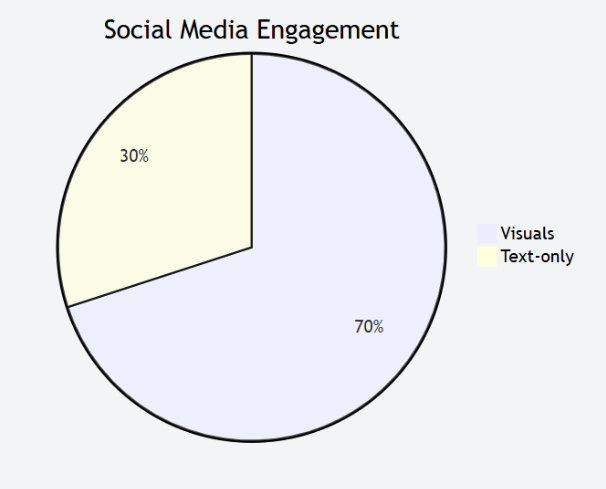
Travel influence is often most effective when partnered with visuals. TikTok and Instagram are often key areas for travel inspiration due to visuals helping consumers to see destinations and experiences before searching.
Visuals create an opportunity for information easier to understand and more accessible to a larger audience. In addition to this, when we see visuals that create an emotional response, they are likely to be shared or remembered. Consumers are also more likely to engage with visuals on social media due to their ability to capture attention, and allow consumers to imagine themselves there.
To support Journey Latin America’s paid media strategy, we developed a creative portfolio for full-funnel paid integration to achieve cut-through and engagement. This included video, imagery and carousels tailored to meet specific platform, audience and performance requirements.
Understand how our creative portfolio for Journey Latin America supported campaign performance
Recommendations
Social media platforms also combine visuals with recommendations from other travellers and creators.
According to GWI data, 47.9% of people looking to purchase a holiday in the next 3-6 months consider consumer reviews when finding out information on brands, products and services. When shopping online 47.1% say reviews from other customers will increase likelihood of purchase.
Therefore, this is an opportunity for travel brands to influence consumers by showing them what they want to see, building their trust and potentially leading to higher conversion.
They should consider how creator partnerships, advertising reviews and customer advocacy can support their content strategy and give travellers confidence to purchase.
Are social platforms becoming travel planning tools?
Brands using social platforms shouldn’t solely focus on targeting the inspiration phase, as consumers are not only discovering trips on social media but are also making decisions based on content and recommendations and creating itineraries or booking through links on social platforms.
A traveller may discover a destination through a social platform but not necessarily go straight to a search engine for more information; they may research further on social media.
Many platforms also contain features to save content, meaning consumers may group together multiple hotels, activities or experiences they want to consider, supporting itinerary generation.
An example of platforms acting as planning tools is TikTok. The platform allows users to save content to folders and gives opportunities for creators to give ratings and reviews on locations.
In May, TikTok GO launched in the US, which helps turn discovery into immediate action through an opportunity to book within the TikTok platform itself, making the journey to purchase easier and more efficient for the consumer.
Travel brands should not just focus on content that will spark interest in the inspiration phase but consider all parts of the customer journey to meet consumers at every touchpoint.
To consider all parts of the consumer journey, brands should create content fit for consumers at every touchpoint, not only for the inspiration phase.
A brand could create content including:
Where to stay
Things to see and do
Restaurant recommendations
Hotel tours
Itinerary ideas
FAQs
This is where content marketing becomes key for brands; content needs to serve consumers with what they may be interested in to generate intent. Fusion’s content marketing service combines audience insights with strategy to develop useful, relevant content to build visibility and help consumers decide to convert.
Explore Fusion’s content marketing service
However, social media is not the only answer; search engines are still essential. Review sites and travel websites often continue the journey from social media to support conversion because search is the main source of information for interested consumers actively exploring and looking to purchase.
Social and search shouldn’t be seen as separate tools; they should align to increase the chance of continuing the customer journey from inspiration through to conversion.
The growing role of YouTube in travel decision making
Google suggests there is a significant opportunity in content creation on YouTube due to it being the number one platform consumers use when they are ready to research. It has 2.7 billion monthly active users, showing the importance of using the platform to reach a substantial number of consumers.
The audiences often using the platform are engaged, interested and have high intent8, and unlike other social platforms, YouTube favours long-form content giving travel brands the opportunity to transport the viewer to the destination through in-depth video giving the consumer inspiration for holiday purchase.
YouTube and Demand Gen combined are particularly relevant to the changing travel purchase journey. Rather than waiting for travellers to show interest, brands can use engaging visuals and creative to create demand at the earliest point in the journey by putting relevant destinations and experiences in front of specific audiences.
For travel brands, this leads back to a connected approach, showing how one singular platform or strategy can be effective in one part of the customer journey, but combining multiple allows brands to reach consumers at numerous stages of their purchase journey, to maintain consumer interest and potentially drive higher conversions.
Fusion supports brands with their YouTube and demand gen strategy to create demand at the early stages of purchase through an increasingly important platform that builds value over time to create more opportunities for conversion.
See how Fusion can support your YouTube strategy
Understand how Demand Gen can create opportunities for your brand
Are travel brands measuring the full impact of social influence?
As the consumer journey has become more fragmented with travellers using numerous platforms to determine their final decision, this means brands may find it more difficult to establish what inspires the customer to convert.
A consumer may discover a hotel through an Instagram Reel, then move to TikTok to look for more information, then search on YouTube for an authentic creator experience and then convert via a website on Google. This creates a complex user journey. If performance is only monitored through the conversion point, the influences that affected the consumer previously may not be considered.
For travel brands, this is where efficient all-channel measurement and marketing mix modelling may help to ensure budget is spent efficiently across effective platforms. Brands should consider landing page visits from specific platforms, engaged sessions, save and download interactions, returning visitors and time spent on pages to see more of the purchase influence picture.
Fusion supports brands with measurement and marketing mix modelling by using statistical analysis to understand how different media channels and wider commercial factors contribute to sales, helping businesses understand the role and importance of each channel to determine which channel is driving sales and how each channel works alongside each other.
How Fusion can support your MMM strategy
How Fusion helps travel brands understand changing research behaviours
Although the research journey for travellers is changing and number of touchpoints consumers are using to make purchase decisions are increasing, this creates opportunities for travel brands to reach audiences across many platforms and influence their decisions more than ever before.
Fusion helps travel brands understand where and how their audience discovers content. By connecting this insight, we develop strategies across paid search, paid media, social content and SEO to build visibility across the whole customer journey rather than reaching consumers at the final point of conversion.
As the journey continues to change, strategy is not about choosing between platforms; it’s about forming a connected approach to reach customers wherever they decide to find inspiration.