Fusion client shortlisted for the Prolific North Champions Awards 2026

We’re pleased to announce that one of our clients has been shortlisted for the Prolific North Champions Awards 2026. These awards are designed to recognise top talent and work across the North’s creative, digital, tech, and marketing sectors. The famous awards return on the 14th May 2026 at Emirates Old Trafford with a live ceremony where the winners will be revealed. 


Who’s on the Prolific North awards panel?


This year’s Prolific North Champions Awards panel brings together an impressive mix of industry experts, from well-known brands and organisations, such as: 


  • Warburtons
  • Kellogs
  • Formula 1
  • CLOUD NINE
  • AO retail 
  • Virgin Red 
  • Waypoint 
  • Pharmacy2U


Amongst the panel will also be several Directors and Partners from a number of digital agencies, alongside a Digital Marketing & Innovative Lead lecturer from the University of Salford. This ensures that all award entries are assessed from both a commercial and strategic perspective. 


Not-for-profit campaign of the year 


Our long-standing client, Anchor, has been shortlisted for the not-for-profit campaign of the year for successfully closing the digital trust gap in the care sector. Anchor is England’s largest provider of tailored housing and care for those in later life. They have held this position since 2018, when we led their site migration that merged Anchor and Hanover into a single platform. Anchor first onboarded with Fusion in 2014, and following the 2018 migration, we saw further results and performance improvements. We’ve continued to lead Anchor’s SEO marketing strategy ever since. 


What this means for our client – and for us 


Being shortlisted means that Anchor’s campaign has been recognised as one of the strongest in the North this year by senior industry experts. This is more than just glowing feedback; it’s a third-party endorsement from the marketing industry that helps position Anchor as a leader in the care industry. It reinforces trust and credibility with residents and their families, as well as partners and funders. 


For Fusion Unlimited, this is a proud moment and an opportunity to say that our work is award-recognised. The Prolific North Awards recognise the best organisations, work and teams across the North’s digital marketing sectors, and we’re delighted to be a part of that! 


Turbo-boost your marketing with Fusion Unlimited 


We’re extremely proud to have worked with Anchor on a campaign that has been shortlisted for these prestigious awards, and we want to help more businesses shine. We have years of experience in delivering high-quality, purpose-led campaigns, and we know how to translate complex messages into standout marketing. Contact our friendly and knowledgeable team today and find out how we can help!
Google spam update March 2026: everything you need to know 

The March 2026 Google spam update was rolled out on the 24th March and officially completed on the 25th in record time, after Google originally stated it may take a few days to roll out. This is the first spam update of the year and the last one since the August 2025 update. Google hasn’t yet revealed why the update could be carried out so quickly, and there are no concrete details about what’s actually been changed this time, but we’re here to offer advice on how this update can affect SEO, along with recommendations for keeping in line with Google’s policies. 


The March 2026 Google spam update summed up 


  • The rollout for the March 2026 Google spam update officially began on 24th March 
  • It has been rolled out across all languages and geographical areas 
  • It took just over a day and was fully completed as of the 25th March, notably faster than previous spam updates
  • This is the first Google spam update of 2026, and the last since the August 2025 update
  • It’s the second Google algorithm update of 2026, following the Google Discover Core update in February   
  • Implement E-E-A-T and people-first content as a top priority to stay in line with Google’s spam policy 
  • If your website is based around quality content that is helpful to users and in line with Google’s spam policy, then your rankings shouldn’t be affected by the March 2026 update 
  • Ways to check if your site has been affected include monitoring impressions, click-through rates, ranking and average position to detect any noticeable declines or patterns around the time of the update 
  • The Google spam update differs from the core update as it is designed to detect specific behaviours, as opposed to assessing the quality and relevance of content as a whole 


What is the Google spam update? 


The March 2026 Google spam update, like those from previous years, is designed to reduce visibility for content that violates Google’s spam policy. This is put in place to improve the quality of search results and reduce the visibility of websites that try to manipulate rankings rather than actually providing helpful content for users. This is part of their push for a people-first approach to content over the last few years, in line with their E-E-A-T (Experience, Expertise, Authoritativeness & Trustworthiness) model.

What’s different? 


Google hasn’t announced any specific changes yet about what the March update is designed to target; however, based on previous updates, we can assume the main goal is to reduce spam-like content and, in turn, reward sites that follow the guidelines and provide users with helpful information. 


Do Google spam updates affect SEO? 


Are you wondering whether you should be concerned? The simple answer is: if your website is built around quality content that is helpful and useful to users, not just there to rank, then you should be in the clear! If you do find that your organic visibility has dropped since the Google spam update, it’s worth reviewing their spam policy to determine in what way your content violates this in order to fix it and become visible again. 


Ways of checking whether your site has been affected 


  • Use GSC (Google Search Console) to track visibility data specifically around the time of the update 
  • Monitor rankings and CTR (click-through rates) 
  • Track clicks, impressions and average page position across key pages and look out for any noticeable declines 
  • Look out for patterns (if a large number of your page rankings drop around the same time, it’s likely this could be because of the update) 


Ways to keep your content in line with Google’s spam policy


Discover our top tips below to keep your site content in line with Google’s spam policy. If you stick to this advice, you shouldn’t have to worry when the Google spam updates come around. 


  • Implement E-E-A-T and people-first content as a top priority 
  • Avoid producing and posting content that doesn’t offer any value to users / your target audience
  • Take advantage of the second E, expertise! Google favours content backed by experience, explanation, or data, or all 3. 
  • Keep your content relevant and up to date (Google also likes timely, accurate content) 
  • Avoid using spammy/manipulative SEO tactics (keyword stuffing, hidden text and links, link buying, doorway pages, creating and uploading large amounts of content with little to no oversight, etc.) 


How are Google’s spam updates different from the core updates? 


Google’s core updates focus on assessing content quality and relevance as a whole, whereas the Google spam update is designed to identify specific behaviour that isn’t in line with their spam policies. The update aims to improve their automated systems and catch spam more effectively, allowing them to detect more sophisticated forms of SEO violations. The last Google core update was rolled out in February 2026, and there is no official announcement yet around when to expect the next one, but these tend to happen several times a year. 


Discover how our expert SEO team can help 


Whether this update has affected you or not, the team at Fusion are here to help. We can help navigate any potential impact of this update by offering guidance and recommending improvements to stay in line with Google’s policies. Get in touch today and let us help! And be sure to keep up with our blog to stay on top of future Google algorithm updates.

Fusion Natural Edge Nominated for Northern Digital Award

Prolific North’s Northern Digital Awards 2019 will take place on the 31st January and here at Fusion HQ we’re delighted to have been nominated for ‘Search Agency of the Year’ for the second time.

We’ve also been recognised for our unique SEO software, Natural Edge, which has been nominated for ‘Best Digital Tool or Software’, and we couldn’t be more proud of the recognition that Natural Edge has received.

We thought it might be a good idea to explain a little more about our Natural Edge software and how it is helping give our clients a competitive edge in an increasingly competitive SEO marketplace.

Background

As an SEO team, a key part of our day-to-day activity is keeping our clients ahead of the curve in organic search – and outranking their competitors. If a prospective customer searches for a cycling related keyword, for example, then we’d want our bike retailing client to be among the first to appear, with high visibility in all the right places.

Several years ago, we sought out SEO software that would be able to assist with doing this – for ourselves and our clients.  It needed to be adaptable to algorithmic changes (like the increasing prominence of localised search), flexible from a pricing point-of-view, and offer clear reporting metrics that clients could use to inform the KPIs they set and the ROI of our services.

However, the tools we looked into didn’t meet our clients’ needs. Ranking software would only give you your keyword position without considering how much traffic you would gain, for example. It might only benchmark a small set of competitors, or keywords would be looked at in isolation rather than holistically, missing out on larger insights that can truly drive a strategy forward.

Instead of spending big on little return, we invested in proprietary technology of our own, building a highly adaptable and cost-effective suite that could tailor bespoke solutions for our clients’ needs – giving them the Natural Edge required in order to shine.

What can Natural Edge do?

Natural Edge was nominated for the award on the basis of its versatility and the range of benefits it offers to its users – and our clients. However, here are just some of the highlights:

  • See the bigger picture

It’s easy to become obsessed with individual keywords.

Natural Edge identifies every site ranked on the first page for each relevant keyword in each location, and uses our proprietary algorithm to calculate how much traffic a site will earn from its positions. Natural Edge collates all of this data and presents a league table ordered by the highest traffic drivers, so that results are easy to understand and analyse.

  • Identify true competition

Competitors in search are very different to competitors in daily business life. In fact, the majority of brands are competing with companies they’d be incredibly surprised by.

Natural Edge benchmarks clients against anyone who ranks on the first page for specified keywords in every location they have presence. Finding out who you’re up against has never been clearer.

This provides a range of opportunities for growth, from identifying high priority keywords to target, inspiring new content ideas and analysing competitor backlinks to spot potential partners.

  • Understand what drives competitor visibility

While some sites rank for dozens of long-tail keywords, others rank highly for a couple of high volume phrases.

Natural Edge tells you how competitors have built their market share, allowing you to flesh out your digital strategy with key industry insights.

  • Understand local performance

Natural Edge offers highly localised insights, highlighting the composition of organic search results by identifying the number of localised and map results generated at a keyword level. A client can enter their locations into Natural Edge, thereby identifying generic keywords that create local results, and identify share of voice and individual keyword rankings for each of those locations.

Why we’re so proud to be up for nomination

At Fusion, we’ve been working with award-winning retail clients for over twenty years, delivering exceptional service with demonstrated ROI whilst using best-in-class innovation to create unique solutions to today’s digital problems.

Natural Edge is just one example of how our team’s outside-the-box thinking, and we’re beyond chuffed that our hard work and expertise is being acknowledged by one of the region’s leading authorities in the field.

Greatest of all, however, is the fact that it’s a testament to our team’s quality and ability, as a cutting-edge independent agency producing award-nominated software, and investing in genuinely pioneering solutions to achieve our clients’ goals.

Interested in what our services can do for you? Get in touch with the Fusion team today at hello@fusionunlimited.co.uk or learn more about Fusion Natural Edge here.

Instagram Market Updates: Recent Updates and Changes Coming Soon

September saw some significant updates arrive on Instagram.

Though many of the changes focus on improving the experience of regular Instagram users, there’re also several changes of note to help marketers and businesses perform – and convert – on the channel.

Let’s have a look at some of the key changes, as well as what we can expect to arrive on the channel in the near future.

Recent updates

Convert from Stories with product tagging

Instagram Product Tag for Stories

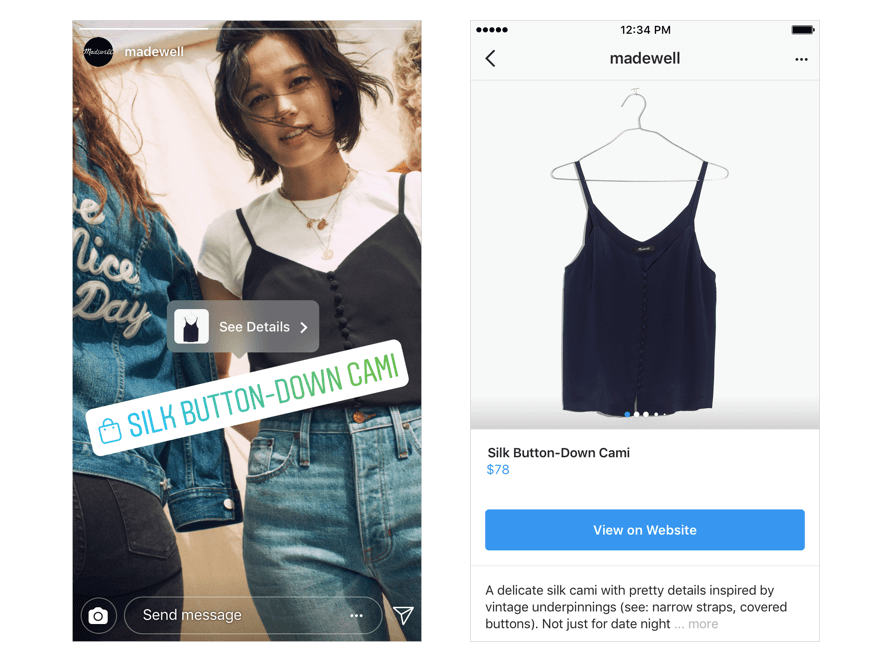
One of the most significant updates on the channel is the introduction of product tagging in Story posts.

This’ll work similarly to product tagging on regular IG posts. Businesses can directly link a URL to the product that appears on their stories, and users can then click on the tag to be re-directed to the product landing page.

This functionality creates an easy buying experience for the user, and a brand new avenue for businesses to gain sales with vivid creative content. It’s just another sign of Instagram becoming a highly viable choice for marketing!

GIFs slide into the DMs

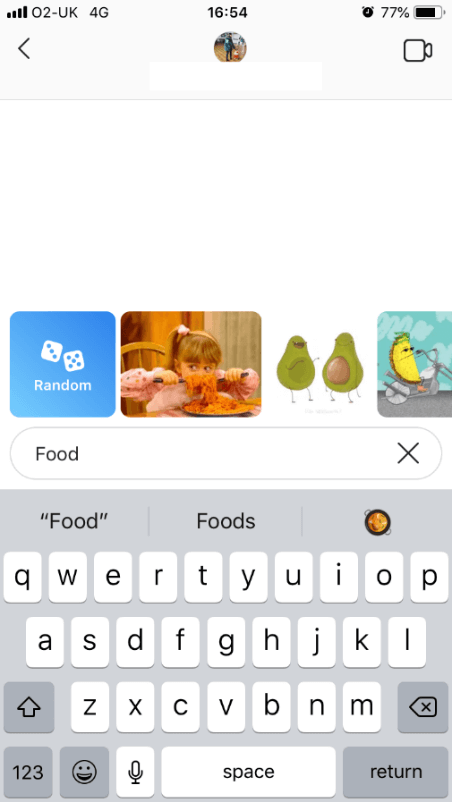
GIFs in direct messaging Instagram GIFs in Instagram DM

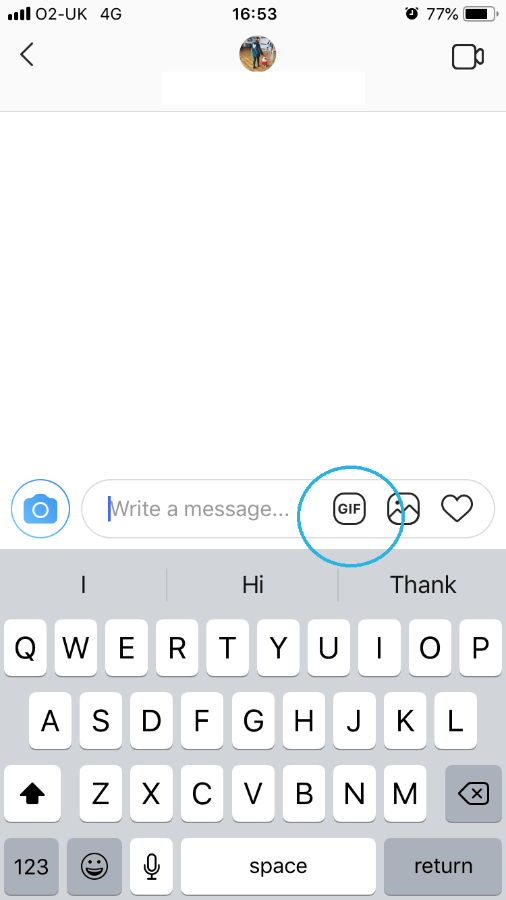
When direct messaging, users can now choose from a selection of trending GIFs.

Simply type a word or phrase that is relevant to the GIF you wish to send and suitable options will appear.

Alternatively, users can click on the mysterious ‘random’ button for an Instagram generated GIF, passing the creative baton over to the algorithm…

New nametags let you connect with friends more easily than ever

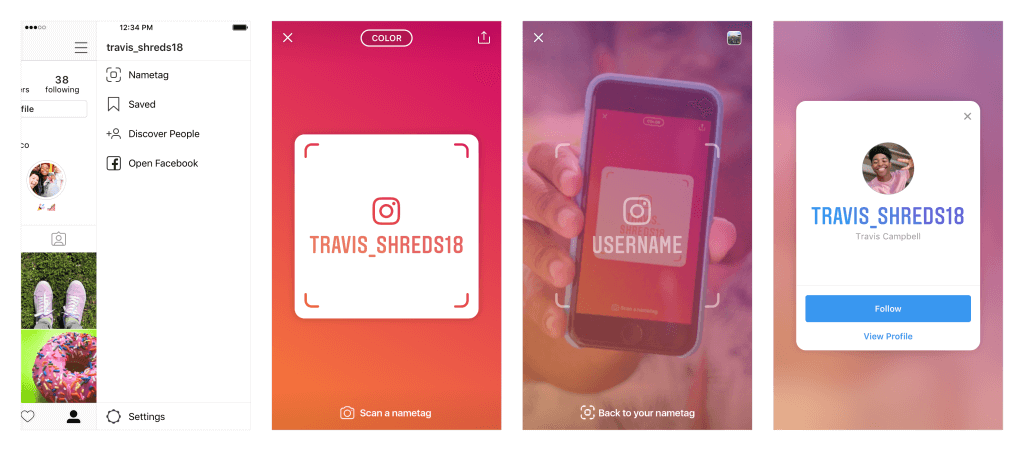
Instagram name tags

In an effort to put more users in touch with each other, you can now create an Instagram nametag, which works a little like a business card. Simply scan another user’s and you’ll follow them!

This new feature is particularly handy when meeting someone new as you can easily exchange details and follow each other with a simple scan. It’s an incredibly intuitive new addition to the app’s UX.

What’s next?

As well as new updates, there are also plenty of Instagram changes in the works.  Let’s have a look at a few of the things that’re keeping the Instagram team so busy:

Shopping channels arrive in Explore

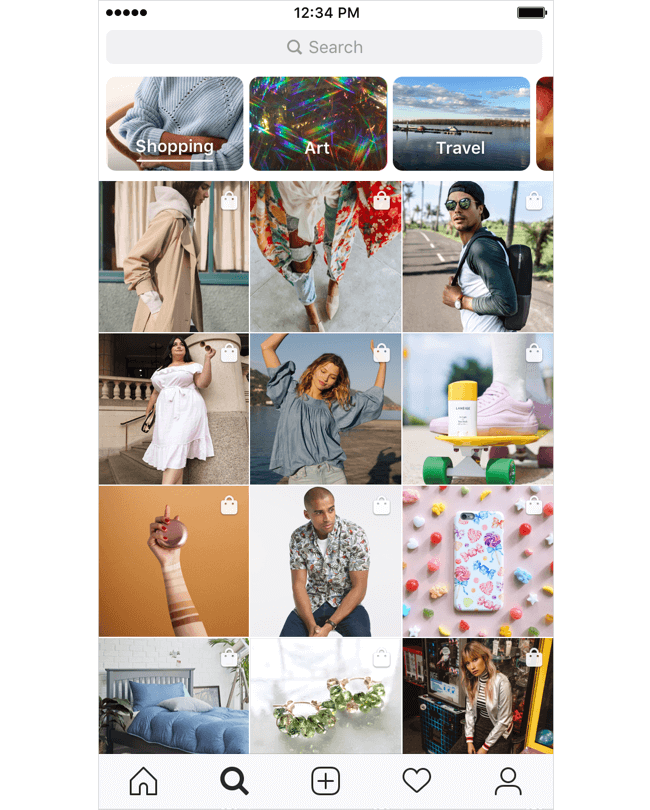
shopping box in Instagram explore

You will soon be seeing a shopping box in the explore section of Instagram. It will potentially put more e-commerce businesses in touch with relevant users. It will also allow users to explore and gain inspiration from exciting, unfamiliar brands.

Instagram takes stand against bullying

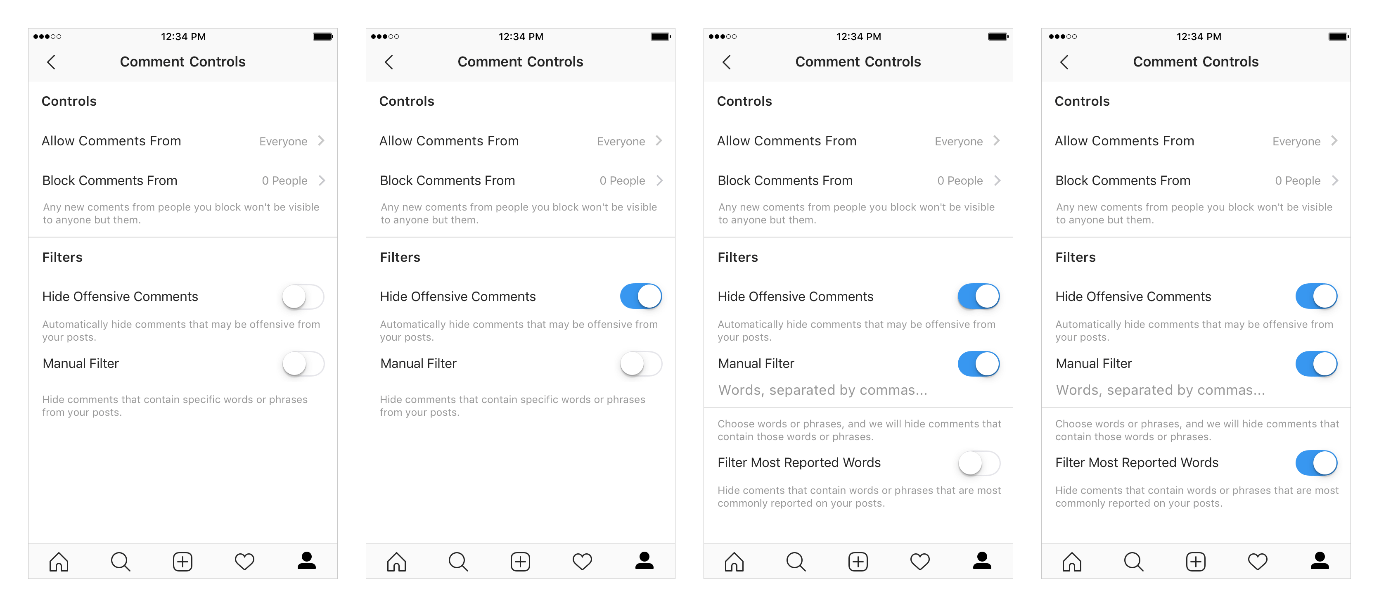
Instagram bullying comment filter

A few months ago, Instagram introduced a bullying comment filter which proactively hides and detects negative comments from feeds, profiles and the explore feature.

The bullying comment filter allows users to customise their blocking preferences or leave it to Instagram to automatically filter offensive comments out.

Instagram will now be applying this feature to comments on live videos.

Tag followers in Videos

Instagram has confirmed that soon you will be able to tag followers in videos, similarly to how you would in photos.

Connecting Students

Instagram connecting students

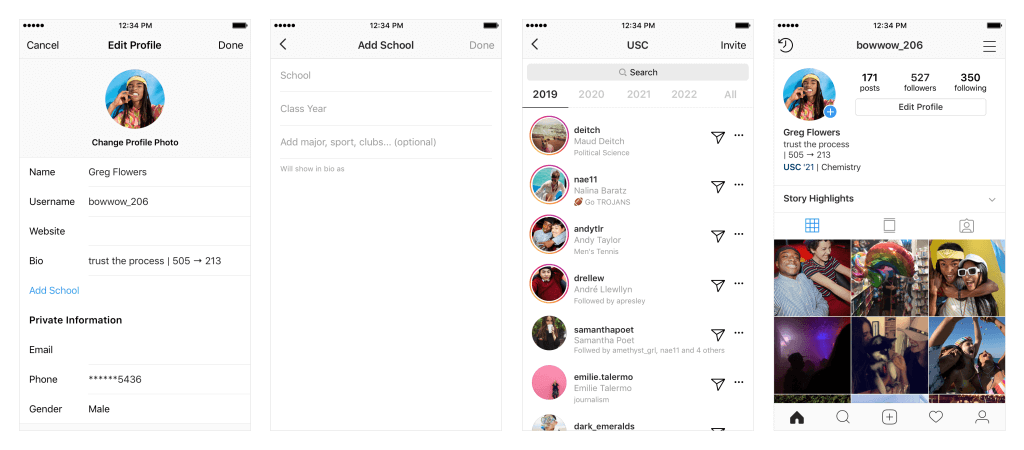
The social network has announced that they are working towards making it easier for students studying at the same institution to connect via the social network. This is currently being tested at select universities the USA.

This feature will allow users to add their university details – including graduation year, course and any teams/societies they were part of. Instagram will then create a University directory that can be filtered by year, making it easy for current and alumni students to connect and message each other.

This is something that’s long been a part of the Facebook experience, so it’s cool to see it arrive on the Gram, too.

Channel bids #goodbye to #hashtags

According to a TechCrunch report Instagram is considering disabling hashtags from captions in an attempt to limit the heavy use of hashtags within the post caption, resulting in the text being incredibly hard to read. Instead, there would be a ‘add hashtags’ option under the caption composer, keeping any hashtags and text separate.

Geo-Restriction for posts and stories


Instagram is testing a geo-restriction feature which will allow users to restrict their posts and stories to selected countries, rather than being universally available. Marketers will be able to choose what countries they wish to show or hide their content to.

Now that you are officially clued up on the latest Instagram features – stay tuned for the latest digital marketing updates that can drive your website and sales.

Paid Media News Roundup

AdWords – Notes

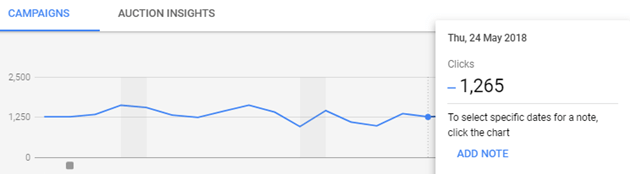
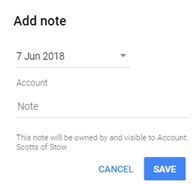
Those who have made the switch to the new AdWords interface may have noticed they can now add notes to campaign and ad group-level graphs. If you are yet to make the switch, or see the option, it is revealed when hovering over a point on the graph, as seen below.

Notes offer a centralised place to document any important changes and, through doing so, allow you to build a comprehensive picture of your account over time. Perhaps more important, however, is the much needed respite they offer to those who have grown tired of rifling through external documents, emails, or the change history for the date of a change or perhaps a promotion; wholly unwelcome tasks that I will certainly be glad to see the back of.

AdWords – Parallel Tracking

In a bid to improve landing-page times, and mobile web experiences, Google will, from the end of October this year, require parallel tracking on all accounts.

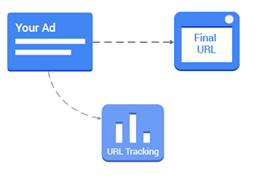
Parallel tracking seeks to overcome the problem of tracking codes slowing down landing pages, by essentially splitting the landing page and the tracking. Users can then be sent straight to the landing page, whilst the tracking is sent to an ad click measurement server. This stops users waiting for any redirects to load.

While parallel tracking is currently optional, early adoption could allow you to speed up your site’s load time, setting you aside from those who choose not to make the switch. The importance of this is furthered by the fact that from the end of this month, mobile speed will start being factored into your quality score.

DoubleClick – Digital Audio Ad Inventory

As the number of people who use music streaming services continues to grow, it is only to be expected that so too will the ways for advertisers to reach them. The latest platform to support the programmatic buying of audio ads is DoubleClick Bid Manager, whose advertisers can now reach audiences on Google Play Music, Spotify, Soundcloud and TuneIn.

Developments like these offer an exciting opportunity for advertisers to begin building a picture of how to engage with their audience through audio ads. The challenge going forward, and one that will only be compounded as more exchanges begin to offer audio ads and more advertisers begin to experiment with them, will be to engage with users in a relevant, non-intrusive way. As such, early insights will be a valuable way to stay ahead of the competition.

Google Sheets – AdWords Add-On

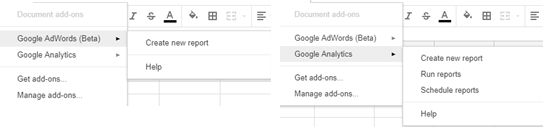
Google recently launched into beta an AdWords add-on for Google sheets, allowing users to create reports that can be run from, and downloaded to, a Google sheet – similar to the Google Analytics add-on. This allows users to create custom reports that are easy to update and can be easily shared, without writing scripts or investing in third-party software.

Unfortunately, the add-on is still lacking a few reports, such as shopping, and, unlike the Analytics add-on, a script, or many third-party solutions, does not allow you to schedule your reports.

Although it is not currently possible to automate every aspect of reporting through the add-on, it is certainly a step in the right direction and will be a useful tool once the other reports and a scheduling feature have been added.

How will partner categories’ removal affect marketers?

Just over a month ago now, Facebook announced that they’d be removing their third-party partner categories feature from Business Manager. The decision follows recent concerns surrounding Facebook’s handling of user data, and allows the company to demonstrate its commitment to increasing the transparency of their data-related activity.

The timeline

Facebook rolled out the changes over a fourteen day period:

  • From May 11th, marketers in the UK were unable to select partner categories’ data in their campaign creation
  • From May 25th, Facebook no longer delivered partner categories built on audiences from the UK, Germany and France, and disallowed campaigns from serving third party data to UK audiences

Remaining targeting options

We imagine marketers will be beginning to place much more emphasis on first party data and custom audiences will play a much greater role in social targeting strategies, from re-targeting website visitors to uploading CRM.

Creating lookalike audiences from campaigns that are already using third party data remains an option for marketers to consider. This gives companies a chance to identify audiences with similar behaviours and interests to the third party data audiences whose data they’re using currently. The benefit of this is that audiences will be classed as first party and will be available for use in future campaigns.

Of course, there is still the opportunity for marketers to use Facebook’s range of detailed targeting options such as demographic, interest and behaviour targeting.

Overall

Though the shutdown of third-party partner categories marks a significant restructuring of the social media marketing landscape, we see it primarily as a positive; it ensures far greater protection of online data, and the remaining targeting options are more than sufficient for generating successful marketing campaigns.

We’re keen to see how marketers continue evolving to these changes as they happen and will be sure to cover any future updates of this kind on the Fusion blog!

SEO Market Updates: April 2018

Broad core Google algorithm update

Google confirmed via the Google SearchLiaison Twitter account that a broad algorithm update went out in the month of April:

This follows on from another broad update that went in last month. Google followed up this tweet by saying that there is no way to fix pages that may have lost performance from this update, but to instead keep on building good content.

The fluctuations from the update in search results lasted more than 10 days, appearing to begin on 17 April. Because this was a core update, it was not given an identifiable name and does not appear to target anything in particular.

Google replaces pagination with a “More results” button on mobile

Google have launched a change to their pagination on iOS and Android devices. Next and previous buttons have been replaced with a single “More results” button.

Instead of taking the user to a new page, the new feature loads the next set of results directly below the current set. When ads are loaded, these get inserted where the top of the next page would previously have been.

There have been mixed reactions to this change. Some SEOs said that this new functionality gives a poor user experience, while others said that it could make it more likely that users will make it to the second set of results than previously.

Google My Business adds lists of services

Google My Business has added a new feature within the management interface that allows some listing owners to create a list of their services for each map listing.

This was announced in mid-April on the Google My Business Help forums. It is available in addition to the food menu editor that is available for restaurants.

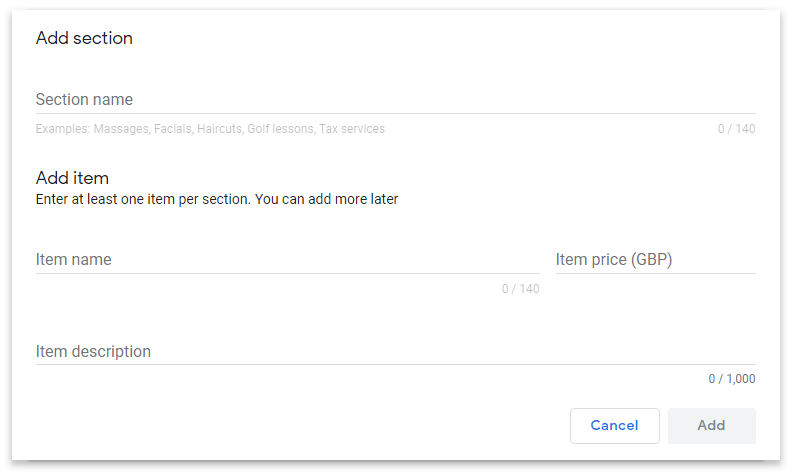
The service menu can be created and edited from the Google My Business dashboard. The menu must be created in sections and items can contain a name, price and description.

Editing the service menu in the Google My Business dashboard interface.

SEO Market Updates: April 2017

Google Fact Check Now in Search Results

Google’s fact check schema markup, introduced during the 2016 US elections, is now out in core search and News results.

Google said: “When you conduct a search on Google that returns an authoritative result containing fact checks for one or more public claims, you will see that information clearly on the search results page.”

Any publisher can include the relevant markup on the page but Google will only display it for what it deems to be “authoritative” sources.

Google Test “Suggested Clip” for Video

A new Google feature was seen this month involving the video featured snippets.

For how-to queries, Google may suggest a portion of a video, recognising which section of the video contains the answer to the question. Clicking on the link takes you to the appropriate timestamp.

This feature cannot be replicated consistently, suggesting it is just a test.

Style Ideas and Similar Items in Image Search

Google image search results on mobile and in the Android app now display “similar items” for relevant searches.

Similar items will be displayed for a few types of products that contain Product schema markup on site. This currently only applies handbags, sunglasses and shoes, but the list will be expanding soon.

There is also an upcoming Style Ideas panel which will show similar products for certain clothing searches.

Google Owl Promotes Authoritative Content

A new Google update named Project Owl is designed to promote content with more authority.

This will be specifically beneficial around queries that could show offensive or misleading pages.

This also goes hand in hand with new feedback forms implemented for autocomplete and featured snippets.

“Best” Filter in Maps Pack

Google is beginning to filter the map results for local queries containing the words “best”, “outstanding”, “great”, etc.

When one of these searches is conducted, the 3 map locations are filtered to show only those with a 4-star rating.

This now makes reviews an even more important part of physical business’ local strategy.

15% of Google searches are unique

According to an announcement from Google, 15% of searches conducted by users daily are new and have never been searched before.

Google says that collectively it handles over 2 trillion searches per year in statistics released by them.

This reaffirmation comes after their announcement to provide more legitimate sources with Project Owl.

Google maps reminds you where you parked

Google Maps on Android and iOS can now remind you where you park your car when you set it manually upon arrival at a destination.

On adding the reminder, it is also possible to include a note and a reminder when your meter is close to running out.

Maps on iOS is already capable of automatically setting a parking location when disconnecting from USB audio or bluetooth in a new location.

Fusion Unlimited Nominated for Four Northern Digital Awards

Northern Digital Awards Shortlist Badge

Rounding off an excellent year for Fusion Unlimited, we are delighted to have received four nominations for this year’s Northern Digital Awards including Large Digital Agency of the Year.

Presented on the evening of Thursday the 26th of January at New Dock Hall in Leeds’ Royal Armouries, the Northern Digital Awards celebrate the region’s most significant achievements in digital marketing, with a panel of judges who rank among the industry’s biggest names.

The Large Digital Marketing Agency of the year award is for those agencies who, in the judges’ opinion “have produced fantastic results and made a positive contribution to the industry. The judges will be looking not only at levels of business obtained but also for examples of the standard of work delivered for their clients”.

For our work with Your Move on a hyper-local PPC campaign that specifically tailors marketing activity to the areas in which Your Move operates, we’ve been nominated for the Northern Digital Award for Best PPC Campaign.

Elsewhere, our successes with in-house software development have seen us receive two nominations for Best Digital Tool or Software: Fusion Feed Catalyst intelligently and dynamically aligns paid search and marketing activity to correlate with clients’ varying stock, pricing and promotional campaigns, while Natural Edge enables our clients to gain a bespoke insight into their SEO performance at a regional and retail location level & identify strategies accordingly to drive improved SEO visibility.

With our ‘Retail Marketing campaign of the year at the Online Retail Awards and 5 nominations at the National Search Awards, this has been a year to remember for our clients and all the team here at Fusion!

Fusion Nominated for 3 UK Search Awards

Uk Search Shortlist

We’re delighted to share that Fusion Unlimited has been shortlisted for three awards at this November’s UK Search Awards, for our work across PPC, content marketing, and proprietary software development.

Our creation of a bespoke, hyper-local PPC campaign for Your Move and Reeds Rains has been shortlisted in the Best Local Campaign category. In the Best Use of Content Marketing category, we’ve been nominated for our execution of “The Ultimate UK Camping Guide” campaign alongside Halfords. Last but by no means least, our fresh from the lab Feed Catalyst tool is in contention for the title of Best Search Software Tool.

Now in its 6th year, the UK Search Awards is one of the most renowned celebrations of PPC, SEO, and Content Marketing work in the UK, spanning 28 categories and attracting hundreds of entries each year.

We’re proud to have been recognised for our hard work and innovation, and look forward to seeing if we can bring the awards home on the evening!


Google Updates Penguin Algorithm

Last Friday Google confirmed the fourth major update of its Penguin algorithm, “Penguin 4.0”. The news comes nearly two years after the previous update, Penguin 3.0, which on release in late October 2014 affected around 1% of UK/US search results.

Alongside the update Google has announced that Penguin is now part of its core algorithm, effectively meaning that Penguin 4.0 is the last update webmasters will see.

What is Penguin?

First launched in April 2012, Penguin is designed to stop websites seen to be using “spammy” techniques from appearing in Google’s search results. The algorithm looks to identify and penalise sites using “bad links”, which have been bought or acquired in an attempt to boost ranking positions.

Sites caught out by Penguin typically see a sharp drop in ranking positions, with recovery only a possibility after a number of steps have been taken to remove links seen as toxic.

Even after these steps have been taken, a site might not see recovery until the next refresh of the Penguin algorithm. As Penguin has traditionally been refreshed manually, many site owners have faced a long wait for improvements to be seen.

However, with Penguin 4.0 come two important changes.

Penguin 4.0 runs in real time

As part of the core algorithm, Google has said that Penguin will now run on a real time basis, in contrast to the manual refreshes typical of previous updates. This means that if a site is affected by the algorithm, and efforts are made to rectify any issues, then recovery of rankings should take place fairly quickly; basically, as soon as a site is re-crawled and re-indexed.

As Penguin is effectively now running constantly, Google’s Gary Illyes has stated that the company is “not going to comment on future refreshes”. Although not the end of Penguin, this marks the end of the algorithm as most webmasters have come to know it.

Penguin 4.0 is granular

Previously, the Penguin algorithm affected sites in a blanket way; even if only one page had one “bad link”, the whole site could be penalised.

Now, Google has said that Penguin “devalues spam by adjusting ranking based on spam signals, rather than affecting ranking of the whole site”. Rather than a whole site being negatively affected, Penguin will now look to penalise on a page by page, or folder by folder basis. This means that whilst some pages, sections, or folders may receive penalties, others will not be affected.

Google has yet to confirm whether the Penguin 4.0 has been fully rolled out, with many predicting that the full update is likely to take place over a few weeks. Although webmasters could pre-empt any negative effects by performing a link detox, it’s positive for webmasters to know that any sites penalised will no longer face a long and frustrating road to recovery.

Fusion SEO Market Updates: April 2016

Google issues new mobile friendly warnings

A month after Google boosted the mobile-friendly algorithm, Google have changed the way in which they inform site owners if their website is not optimised for mobile users.

When a site owner searches for their own website on their mobile phone, if it’s not optimised, the result for the site will include a small notice above the meta description saying, “Your page is not mobile-friendly”. The message a hyperlink, and when clicked, will take users through a Google help page with more information about mobile-friendliness. For all other users searching for the website, no such message will be displayed.

Google’s John Mueller has confirmed that the feature is an experiment to see how mobile friendliness can be boosted across the internet.

Sites penalised for free product review links

In the first week of April, Google issued penalties to websites found to be hosting “unnatural outbound links”. Issued by the Google manual actions team, the penalties are aimed at websites linking to other sites with the aim of manipulating Google rankings.

Several days after issuing the penalties, it emerged that the unnatural link building in question was specifically in relation to free product reviews featured by bloggers, in exchange for links.

Following Google’s guidelines issued several weeks earlier advising bloggers to disclose free product and ‘nofollow’ their links, Google has now acted on its warning, and sent out manual actions to those sites that did not comply.

Google sent 4 million messages about search spam last year

Google has announced it’s latest development in it’s bid to clean up search results.

Over 2015, Google explained that they noticed a 180% increase in websites being hacked since 2014, as well as the number of websites with sparse, low quality content increasing. In order to counter this, Google unveiled their hack spam algorithm late last year. By sending out 4.3 million manual notices to website owners and webmasters, Google were able to clean up “the vast majority” of the issues stated.

Google saw a 33% increase in the total number of sites going through the reconsideration process, which shows the importance of verifying your website in the Google Search Console, which allows you to receive alerts when Google finds issues with your website.
Additionally, Google received over 400,000 spam reports submitted by users, and was able to act on a whopping 65% of them, thanks to over 200 Hangouts aired to help webmasters.

Instagram Set to Launch a New Advertising Interface

Instagram Set to Launch a New Advertising Interface

With over 300 million global users, and a user base consisting largely of high-income millennials, advertisers have long been waiting for the opportunity to advertise their visual content on Instagram. Thankfully, this is now becoming a reality for marketers of all sizes…

The benefit of advertising on Instagram

Everyone recognises the value of Instagram as a beautiful, visual hub which allows for real-time content sharing. However, what some may not realise is the potential of utilising the platform as part of a paid strategy.

With organic reach dropping, Facebook advertising has increasingly become an intrinsic element of social media planning – but recent results released by Instagram suggest that money would be well invested in this photo-sharing channel too. Instagram has reported a click-through rate of almost double that of Facebook for August, at 1.50%*. It would seem that this long awaited change will bring big profits for Facebook indeed…

Who can advertise on Instagram?

Previously, Instagram advertising favoured large companies with substantial advertising budgets – much to the dismay of many smaller businesses. The previous method of buying ads was also rather outdated, with ads purchased from Instagram’s sales team. However, Instagram ads are now being brought into the 21st century and will now be available through a new API as well as Facebook power editor.

Unsurprisingly, since Facebook bought Instagram in 2012, the new system is set to be similar to the self-service format of Facebook advertising – allowing anyone to advertise their content on the platform, and have more control over the process. Automation should also help to reduce the costs associated and should present opportunity for both small and large scale businesses (and budgets!)

What do Instagram ads look like?

Instagram ads are available in standard Instagram formats; this includes a 612x612px square image, or a short 15 second video. Additionally, carousel adverts are available – mirroring the introduction of carousel ads in Facebook. According to Facebook, these are seeing great success from an ROI perspective, so are definitely worth exploring within Instagram too:

‘[Facebook] Advertisers have seen carousel link ads drive 30-50% lower cost-per-conversion and 20-30% lower cost-per-click than single-image link ads…’

Instagram ads appear within the feed, amongst other visual content shared by accounts that a given user follows. In order to ensure transparency, a ‘Sponsored’ icon appears in the top right-hand corner, along with your chosen call-to-action at the bottom. When clicked, this call to action takes the user to the URL specified when setting up the ad.

Targeting Instagram ads

As previously mentioned, there are many young and affluent individuals using Instagram – user demographics convey an ideal audience for many companies and marketers. Whilst this generalised overview paints a positive picture – as with any form of advertising – relevant, precise targeting can really help to optimise ad performance.

Up until now, limited targeting has been available on Instagram – allowing advertisers to specify an audience based on basic demographics including age, gender and country. However, the new system will now integrate with Facebook to provide more detailed user insights, enabling marketers to more accurately target their ads to a relevant audience. In turn, this ensures that users are exposed to content that is valuable to them; this is a win-win approach and helps to create greater value for both parties.

Monitoring performance

The Instagram Ads API will offer greater flexibility over every aspect of advertising within the platform – from scheduling, to targeting and optimisation. Arguably one of the most valuable aspects of the new system is the ability to access and analyse detailed campaign performance data. Again, this will be similar to the data displayed in Facebook Ads Manager and will allow advertisers to measure the success of their efforts.

When will it be available?

Whilst the date of when the API will become universally accessible remains unknown, the company are currently in an expansion phase. They are increasing the number of advertising partners that they work with in preparation for the wider launch.

It is also now possible to create adverts that appear on Instagram through Facebook Power Editor when using the Mobile App Installs or Clicks to Website objectives. In the coming weeks, we can’t wait to begin testing the performance of these ads across a number of clients…


*Source: http://finance.yahoo.com/news/instagram-ads-exceed-facebook-click-140623223.html

Google Announce Custom Audience Targeting Feature

Custom Audience Targeting - Featured Image

Google has recently announced it has been in talks with advertisers about implementing a custom audience targeting function, which will run almost identically to Facebook’s custom audience tool and could be released as early as this year.

The way custom audience targeting works for Facebook is you, the advertiser, uploads a list of emails or phone numbers to Facebook and they will deliver your ads to those people if they are on Facebook with that email.
So how will custom audience targeting work for Google? Basically, exactly the same as it does for Facebook. Advertisers will be able to pass on lists of emails that they have acquired to Google, who will then be able to target these email addresses with tailored ads perfect for them. Google already has data on millions of email addresses as it owns one of the largest, if not the largest, email service in the world; Gmail (over 450million active users). Furthermore, Gmail asks for a secondary email when you first create your account.

Lookalike Audiences

The Facebook Custom Audiences also offers a Lookalike Audience function whereby it takes the data it has acquired from the Custom Audiences, such as what they have liked and followed, and uses this to create a lookalike audience which has similar qualities to the original custom audience.
Google does not have that same functionality that Facebook does with the likes and followers and whatnot, however, Google has something potentially much more precious from an advertiser’s perspective; the ability to infer user intent based on their searches, which you could argue is a lot more informative to marketers than Facebook’s social data.
Using this tool to its fullest you will no longer have to worry about your ads not reaching the right people, or the quality of the audience you are reaching, Google will make sure that they get there.

Importance of Email in Digital

When you log into anything nowadays, be it your Facebook or Twitter account, there is always one thing in common; you have to put in your Email. This means that your email is essentially your digital identity; without your email you do not exist online. You can find out a lot of things about a person based on what they use their email for and to marketers this could be very useful information.

Fusion SEO Market Updates: April 2015

SearchUpdateApril2015

Google finally rolls out mobile friendly update

On the 21st of April Google finally began to roll out its much anticipated mobile friendly update. Announced early on in the year, the exact nature and effect of the update has been heavily speculated about within the SEO community, with reported 4.7% of webmasters making changes to ensure that sites fit within Google’s requested parameters.

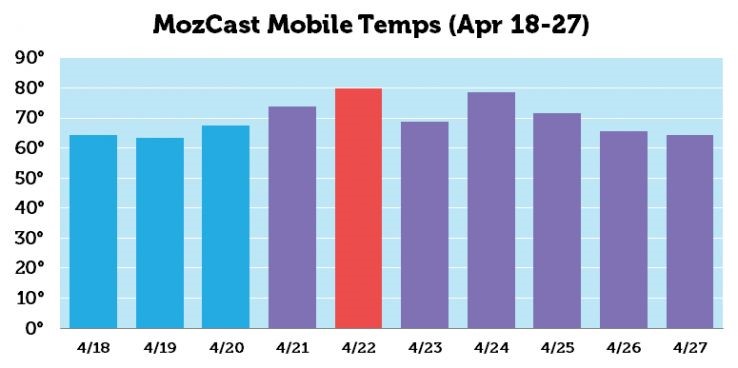
However, at the time of writing the update has had a far smaller impact than previously anticipated. As of the 1st of May, Google have said that the algorithm has fully rolled out in all of its data centres. However, the majority of webmasters have reported no big changes in mobile search results rankings, and those who’ve been tracking the update have seen no significant impact, as seen in the below graph from Moz.

April 2015 - MOZ Mobile Rankings

Google’s Gary Illyes stated that as many sites have not been re-indexed, they aren’t as of yet being affected by the new scores. This means it’s still possible for “unaffected” sites to be hit, and it’s still recommended that sites that are not yet mobile friendly be made so.

Google tests lightweight mobile results for slow connections

Google have continued their recent focus on mobile search results optimisation with the test of a “lightweight” display for mobiles with slow connections. Initially announced to simply effect mobile SERP’s, Google have now given webmasters the option to show a “toned down” version of their site to users on a slow connection. Whilst the lightweight version of the search results page is automatic, the option to strip out heavy images and files on a site will be down to webmasters to decide.

However, when tested on users in Indonesia, Google reported that sites that had opted in to lightweight display had a 4x faster load time, used 80% fewer bytes, and saw a 50% increase in mobile traffic – something surely likely to influence whether webmasters opt in.

Search Queries report being randomly replaced by Search Analytics in Webmaster Tools

At the beginning of the year, Google tested a new “Search Impact” report amongst a few select users, now renamed as “Search Analytics”. As well as the standard Search Impact features, the new report displays clicks, impressions, CTR and average search results position. On top of this, Search Analytics also allows for a comparison of these factors, broken down by specific queries, pages, devices, and country.

Google’s Webmaster Trends Analyst Zineb Ait Bahajji also commented that the report is “slow to catch up” at the moment, having only 90 days of data. However, this is expected to increase shortly. Whilst at the moment Search Analytics is only available to a random selection of users, it’s expected that at some point it will receive a full rollout and replace the Search Queries report.

Google begins replacing URL search result snippet with breadcrumb pathway

After a long period of testing, Google has finally started to replace site URL in the search results snippet with a site name and breadcrumb pathway. This update comes after years of beta testing and randomly selected rollouts, and is designed to “better reflect the names of websites”, Google has stated.

With this update, webmasters will be given the opportunity to better reflect site structure and content to users, and display a “real world” version of the site rather than a domain name. At the time of writing, this update has only affected mobile results in the U.S, but is expected to have a worldwide rollout in the near future.

In order to make sure these changes take place, webmasters will have to implement specific site name and breadcrumb schema within a sites source code.

Image Source: http://searchengineland.com/googles-mobile-friendly-algorithm-a-week-later-was-it-really-mobilegeddon-219893

Fusion Unlimited Shortlisted In The 2015 PROLIFIC NORTH AWARDS

Prolific North Awards 2015

We’re excited to announce that Fusion Unlimited have been shortlisted as best SEO & PPC Agency in the PROLIFIC NORTH AWARDS 2015.

This year, the third annual Prolific North Awards will celebrate industry excellence and highlight and reward outstanding campaigns and exceptional talent in the creative and media industries across the North of the UK.

The 2015 award ceremony has attracted over 700 of the north’s leading creative and media professionals.

Winners will be announced at the award ceremony on Thursday 30th April at The Point, Lancashire County Cricket Club.

We’re  delighted to have been nominated for best SEO and PPC agency category and look forward to another awards night!

Fusion Unlimited nominated for 2 Northern Digital Awards 2015!

Northern digital

We are are very excited to announce that Fusion Unlimited have been nominated for 2 awards at the Northern Digital Awards 2015, in the competitive categories;

Best SEO Campaign for Ronseal and Best Digital Marketing Campaign – Finance for NatWest.

The Northern Digital Awards recognise the very best in digital marketing campaigns and talent in the North as well as reward websites across a number of sectors to reflect the ever-expanding online world that we trade and communicate in.

The ceremony will be hosted at the Royal Armouries in Leeds on the 22nd January 2015, and we are really looking forward to a great night with our clients and let’s hope we come back with a couple of shiny new awards to add to our collection!

How Longer Journeys To Sale Are Driving Up Marketing Costs

Maze

In response to an emerging trend amongst our clients we have done some in-depth research into changes in buyer behaviour over the last 12 months. This identified a significant increase in the volume of site visits customers are making before their eventual purchase, and this has major repercussions on marketing costs and strategy.

The key findings were that 80% of clients are seeing an increase in the length of the path to purchase, with journeys of 12 visits or more seeing the biggest growth at 85%.

This potentially leads to increased marketing costs, as you could be paying more times to get the same visitor back to your site in order to convert them. Businesses need to respond by developing a considered strategy for both reducing traffic costs for returning visitors and removing as many reasons as possible for users to leave your site before committing to purchase.

Head over to Econsultancy to read the full article on our research and recommendations for how clients should be responding to this little discussed trend.


Updated stats from Q4 2015

We revisited this analysis to see how things have changed in the last 18 months, and the results are quite surprising.

Only 40% of clients showed an increase in path to purchase between Q4 2014 and Q4 2015, with journeys of 12 visits or more up just 16%.

So have increases in journey length slowed?

It’s difficult to say, as we looking at increasingly disjointed data. Over the entire period from Q1 2013 to Q4 2015 desktop traffic dropped from an average of 70% of total traffic across the clients analysed to just 40%. So with cross-device measurement still not nailed in Google Analytics we are effectively looking at 3 silos of traffic across desktop, tablet and mobile. How many visits are really going on behind each of these segments?

With device fragmentation increasing but journey to conversion relatively static according to the data it certainly appears that journeys must be getting longer in the real world. One thing is certainly clear – the need for reliable cross-device tracking has never been greater.

How the Google Venice Algorithm Changes Your Local Search Strategy

How the Google Venice Algorithm changes your local search strategy

Google recently announced around 40 algorithm changes that have taken place during February 2012, or are about to be rolled out. Whilst most SEOs attention was drawn to the “link evaluation” point, and the fact that Google may soon make big changes to how they evaluate the characteristics of links to judge the content of a destination URL, it’s the roll out of an algorithm called “Google Venice” which has caught our attention today.

The “Google Venice” algorithm update focuses on local results. Historically, a generic keyword search e.g. for “fitted kitchens”, would most likely return a Google Places map result with some local listings, alongside some generic non-local standard organic results. However, we are now seeing many generic searches that generate a Places map result and generic results, as well as featuring some local results in the main organic listings.

Google uses a number of methods to detect where a user is based – most notably, the user can set their default location in their search preferences, and Google will also look at IP address and to some degree past search history.

This is big news on two fronts. First of all, there’s a clear advantage for businesses with a local physical presence to gain visibility for generic phrases amongst searchers in their area.

Secondly, bigger nationwide companies who have strong visibility for generic phrases despite not having a physical presence in the searcher’s area will most likely lose visibility, at the expense of local businesses.

Any business with physical and online presence must consider this as part of their search strategy if they weren’t before, at a local SME level as well as national multi-store retailers. Our recommendation would be to first identify searches relevant to your product and service which may trigger the Venice algorithm, and to ensure that on-page optimisation elements target those products/service combined with location. For businesses in one location this will most likely be your homepage, whilst multi-store businesses should scale this across individual location pages. The big challenge for multi-store businesses will then be tracking results for multiple phrases across multiple geographic areas, and it remains to be seen how effective standard off-site SEO practises will be in improving Venice results.